| constexpr iterator begin() noexcept; |
(since C++26) | |
| constexpr const_iterator begin() const noexcept; |
(since C++26) | |
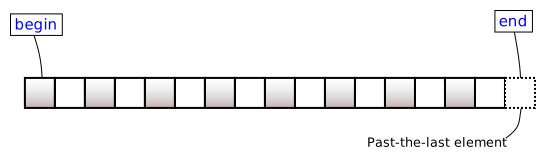
If *this contains a value, returns an iterator to the contained value. Otherwise, a past-the-end iterator value.
Parameters
(none)
Return value
Iterator to the contained value if has_value() is true. Otherwise, a past-the-end iterator.
Complexity
Constant.
Notes
| Feature-test macro | Value | Std | Feature |
|---|---|---|---|
__cpp_lib_optional_range_support |
202406L |
(C++26) | Range support for std::optional
|
Example
#include <optional>
#include <print>
#include <vector>

int main()
{
    constexpr std::optional<int> none = std::nullopt;
    constexpr std::optional<int> some = 42;

    static_assert(none.begin() == none.end());
    static_assert(some.begin() != some.end());

    // ranged-for loop support
    for (int i : none)
        std::println("'none' has a value of {}", i);

    for (int i : some)
        std::println("'some' has a value of {}", i);

    std::optional<std::vector<int>> many({0, 1, 2});
    for (const auto& v : many)
        std::println("'many' has a value of {}", v);
}'some' has a value of 42
'many' has a value of [0, 1, 2]See also
| (C++26) |
returns an iterator to the end (public member function) |
Content from this page on cppreference.com, licensed under CC-BY-SA 3.0 and GFDL. Modified: restyled, site navigation removed, code windows added. Offline snapshot of 9 February 2025.